Osteopathy for Gluteal Pain: What to Expect
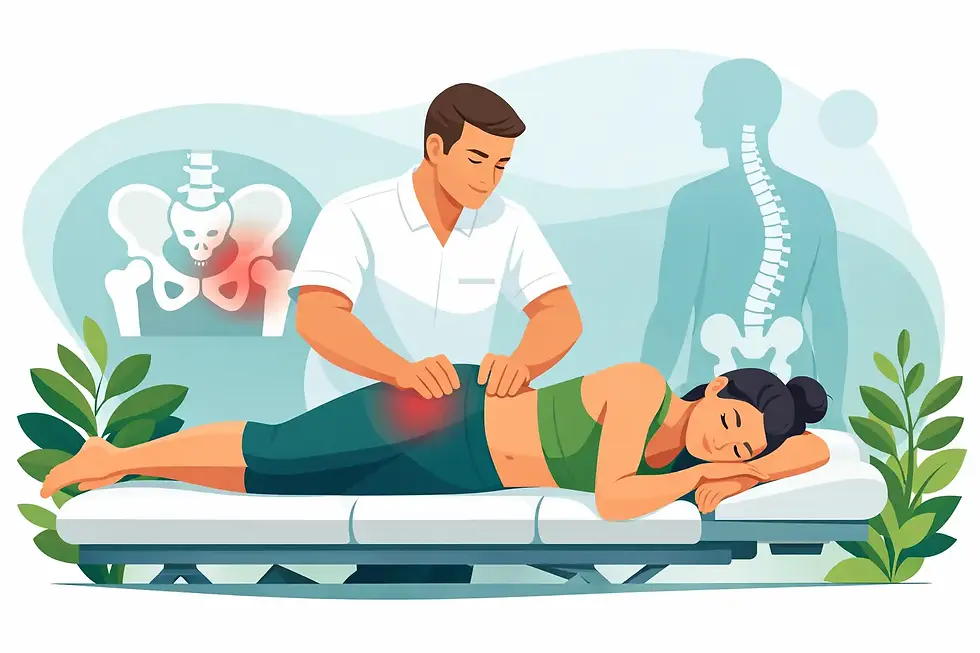
Gluteal pain can make ordinary parts of the day unexpectedly difficult. You may notice it when getting out of the car, climbing stairs, rolling over in bed, sitting through a long meeting or returning to a favourite run. Osteopathy for gluteal pain takes a wider look at why the area has become sensitive, rather than assuming the painful spot is the whole story.
The gluteal region is a busy meeting point between the lower back, pelvis, hip and upper leg. Pain here can be linked to local tendon or muscle irritation, but it can also be referred from the lumbar spine or influenced by the way you move, train, sit and recover. A careful assessment helps us make sense of these possibilities and create a practical route back to more comfortable movement.
Why gluteal pain is not always a "glute problem"
The buttock contains several large muscles that help control the hip and pelvis during walking, running, stair climbing and getting up from a chair. The gluteus medius and minimus, for example, work hard to steady the pelvis when you stand on one leg. Their tendons can become painful if they are repeatedly overloaded or compressed, often producing pain on the outer side of the hip or buttock.
However, gluteal discomfort may also arise when the lower back is irritated and sends pain into the buttock. This does not automatically mean there is nerve damage or that your spine is "out of place". It may reflect mechanical sensitivity: the back, hip and surrounding tissues are not currently tolerating certain positions or loads very well.
Deep buttock pain can sometimes be associated with the hip joint, hamstring attachment, sacroiliac region or irritation around the pathway of the sciatic nerve. Sciatica usually involves symptoms travelling down the leg, such as burning, tingling, numbness or electric-shock sensations, but not every ache in the buttock is sciatica. The distinction matters because the best treatment plan depends on the pattern of symptoms, your examination findings and the activities you need to return to.
For desk-based professionals, the trigger may be less about sitting being inherently harmful and more about staying in one position for too long, then asking the body to cope with a sudden gym session or a busy weekend. For runners, walkers and active parents, a rapid increase in distance, hills, pace or strength work can be the missing piece. Sleep, stress and limited recovery time can also turn a manageable irritation into a more persistent problem.
How osteopathy for gluteal pain works
An osteopathic appointment should begin with a conversation, not an assumption. We will ask when the pain started, what brings it on, whether it travels, how it affects sleep and work, and what has changed in your routine. Previous injuries, training habits, work set-up and wider health all provide useful context.
The physical assessment may include observing how you walk, sit, stand and move through a squat or step. We assess the movement and strength of the hip and lower back, and use appropriate hands-on examination to understand which structures and movements are most sensitive. This process helps us decide whether your symptoms are most consistent with a local gluteal issue, referred pain from the back, or a combination of factors.
Treatment is then tailored to you. Hands-on osteopathic techniques may be used to reduce protective muscle tension, improve comfortable movement around the hip and lower back, and help you feel more at ease moving again. These techniques are not a stand-alone fix. They work best alongside clear advice on activity, pacing and rehabilitation.
You may be given a small number of exercises to build hip, trunk and leg capacity. This could involve controlled strengthening, balance work or gradually reintroducing a movement that has become painful. The aim is not to chase perfect posture or make you avoid every uncomfortable sensation. It is to help your body become more adaptable and confident under the demands of your life.
The trade-off between rest and keeping active
When gluteal pain flares, complete rest can feel sensible. A day or two of reducing the activity that has clearly aggravated symptoms may be useful, especially after a sudden flare. Yet prolonged avoidance can leave the muscles and tendons less prepared for the movements you need to do.
The more helpful middle ground is usually relative rest. This means temporarily adjusting the volume, intensity or position that causes symptoms while keeping gently active within your tolerance. If long walks provoke pain, a shorter, flatter route may be a better starting point. If side-lying is uncomfortable, changing sides, using a pillow between the knees or adjusting your sleeping position may reduce compression on the sensitive area.
Pain during rehabilitation is not always a sign of harm, but it should be monitored. Mild, manageable discomfort that settles shortly after activity may be acceptable for some conditions. Sharp pain, worsening symptoms, significant night pain or a clear decline in function deserves a reassessment. Your plan should feel challenging enough to encourage progress, but realistic enough to fit around work, family and recovery.
Everyday changes that can support recovery
Small adjustments often have more value than a dramatic overhaul. If you spend much of the day at a desk, break up static sitting with regular changes of position. A brief walk to make a drink, a standing phone call or a few comfortable hip movements can help reduce the build-up of stiffness. The goal is variety, not rigid rules about how you must sit.
If you are active, consider what changed before the pain began. It may have been a new running route, a return to sport after illness, heavier lifting, poor sleep during a demanding period or simply doing more than usual several weekends in a row. Scaling back one variable for a short period is often more productive than stopping everything.
Recovery also benefits from the basics: enough sleep, regular meals and adequate hydration. Where energy levels, body composition, digestive symptoms or menopause-related changes are affecting your ability to recover and stay active, joined-up support can be valuable. Physical resilience is shaped by more than one structure or one appointment.
When gluteal pain needs medical assessment urgently
Most mechanical gluteal pain improves with appropriate assessment, sensible load management and time. There are occasions, though, when you should seek urgent medical advice rather than waiting for a routine osteopathic appointment. These include new loss of bladder or bowel control, numbness around the genitals or inner thighs, rapidly worsening leg weakness, severe unrelenting pain following significant trauma, or pain accompanied by fever, unexplained weight loss or feeling generally unwell.
It is also sensible to speak with your GP if pain is persistent and worsening, if it repeatedly wakes you at night without any comfortable position, or if you have a history of cancer, inflammatory disease or osteoporosis. These symptoms do not necessarily indicate something serious, but they should be assessed in the right setting.
What progress can realistically look like
Recovery is rarely a straight line. Some people notice that moving feels easier after the first appointment, while strength and tolerance for longer walks, running or sitting may take several weeks to build. If symptoms have been present for months, it often takes time to unpick the cycle of reduced movement, protective tension and lost confidence.
At Hartwood Health, osteopathy is available in our Fleet clinic for people who want a thorough, hands-on assessment and a plan that makes sense for their routine. We focus on the changes that matter to you, whether that is sleeping more comfortably, managing the school run, working through a meeting or returning to sport.
You do not need to wait until gluteal pain has taken over your routine. A clear assessment can replace guesswork with a manageable next step, helping you move with more ease while steadily rebuilding trust in your body.
Joined-Up Care for Lasting Physical Freedom
At Hartwood Health, we look beyond the immediate symptom to treat the person attached to it. True physical resilience requires a balance between structural alignment, everyday biomechanics, and systemic health.
Our Osteopathy Team specialises in relieving acute pain and restoring mobility for busy professionals and active adults alike. By working closely alongside our clinical dietitians and other wellbeing practitioners, they provide a truly "joined-up" approach to physical health.
Visit our hands-on clinic in Fleet to start your journey back to comfortable, confident movement.