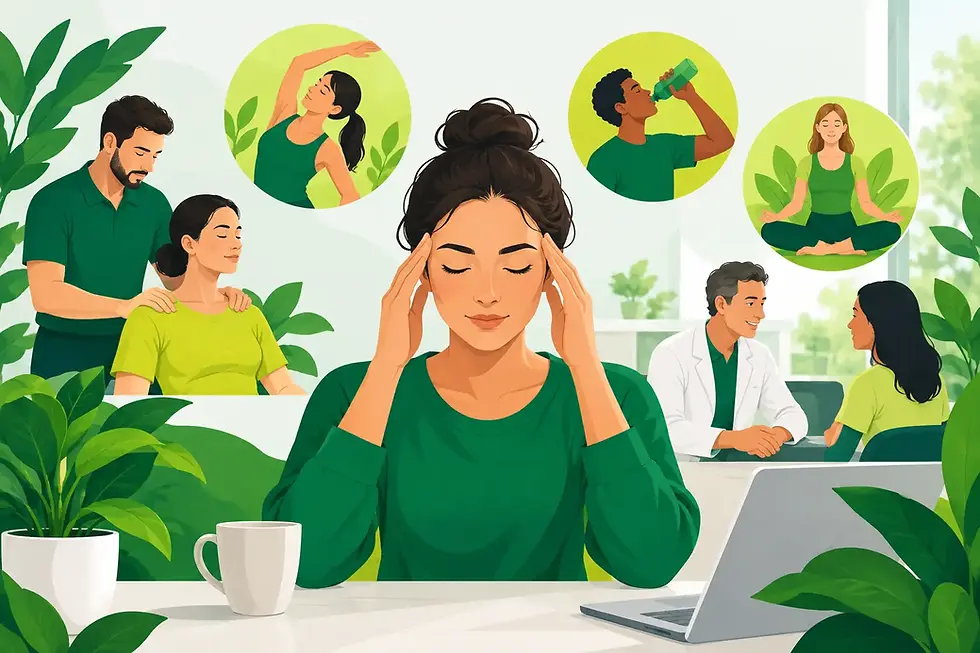
Private Osteopathy in Fleet: What to Expect

A stiff neck that makes checking a blind spot uncomfortable. Lower back pain that arrives after a long day at the desk. A familiar pull through the hip when you run. These problems can gradually narrow what feels comfortable and possible, even when there has been no dramatic injury. If you are considering private osteopathy in Fleet, the aim is not simply to chase a painful spot. It is to understand why your body is struggling with a particular load, movement or routine, then create a practical route back to easier movement.
Private care gives you protected time to discuss the full picture, receive a hands-on assessment and begin a tailored plan without waiting for pain to become more disruptive. For many people, that means less uncertainty and a clearer sense of what to do between appointments.
What does private osteopathy in Fleet involve?
Osteopathy is a hands-on form of musculoskeletal care. It focuses on how joints, muscles, connective tissues and the nervous system work together to support movement. An osteopath assesses the body as a connected system rather than treating the lower back, shoulder or neck as an isolated part.
This matters because pain is rarely explained by one structure alone. A desk-bound professional with neck pain, for example, may also be managing long periods of concentration, poor sleep, reduced movement between meetings and tension through the upper back. Someone with knee pain may be adapting their walking pattern following an ankle injury. Looking at these influences helps us make treatment more relevant to real life.
At Hartwood Health, osteopathy is available face to face from our Fleet clinic. We support people from Fleet and nearby communities who want expert assessment, hands-on care and a plan that supports lasting function, rather than a brief interruption to symptoms.
Your first appointment: assessment before treatment
A useful osteopathic appointment starts with listening. We will ask about your symptoms, how they began, what makes them better or worse, your work, activity levels, previous injuries and relevant medical history. If you have had imaging, a diagnosis or treatment elsewhere, that context can be helpful too.
The physical assessment may include observing how you stand, walk and move, along with testing joint movement, muscle strength and areas of tenderness. Where appropriate, we may also use neurological checks, such as reflexes or sensation, particularly when symptoms suggest nerve irritation such as sciatica.
This is not a search for a body that is ‘out of alignment’. Bodies are adaptable, and pain is more complex than posture alone. Instead, we are looking for patterns of mechanical tension, sensitivity, restricted movement or reduced confidence in using a particular area. We will explain what we find in straightforward terms and discuss whether osteopathy is likely to be appropriate.
Treatment may include gentle joint mobilisation, soft-tissue techniques, stretching and movement guidance. The exact approach depends on your presentation, preferences and comfort. Hands-on treatment can help reduce muscle guarding and improve movement, but it tends to work best alongside simple, well-chosen changes in daily activity.
Conditions we can help with
People often seek osteopathy after a specific incident, such as lifting awkwardly, returning to exercise too quickly or waking with acute neck pain. Just as often, symptoms have built up gradually over months. We can help assess and manage a range of common musculoskeletal concerns, including back pain, mechanical neck pain, tension headaches, sciatica, shoulder discomfort and peripheral joint or sports injuries.
Headaches are a good example of why an individual assessment matters. Tension around the neck, shoulders and upper back can contribute to some headache patterns, especially where long screen time and stress are involved. Yet headaches have many possible causes. An osteopath should take your wider health seriously and advise onward medical assessment where symptoms do not fit a musculoskeletal pattern.
Sciatica also deserves a careful approach. The term describes pain, tingling, numbness or weakness that can travel from the lower back into the buttock or leg due to irritation of the sciatic nerve or its nerve roots. Some cases respond well to a combination of symptom-guided movement, hands-on care and progressive rehabilitation. Others need medical investigation. The right plan depends on the severity, neurological findings and how symptoms are changing.
Why a personalised plan matters
A treatment plan should fit around the life you actually lead. There is little value in being given an hour-long exercise routine if work, family commitments and pain levels make it unrealistic. We focus on manageable steps, whether that is modifying your workstation, breaking up prolonged sitting, returning gradually to training or practising two useful movements consistently.
For a runner with hip pain, this may mean reviewing changes in training volume, recovery and strength rather than stopping all activity indefinitely. For someone with persistent lower back stiffness, it may mean restoring confidence with bending and lifting in stages. Rest can be valuable after an acute flare-up, but extended avoidance often leaves the body less prepared for normal demands.
Progress is not always linear. Chronic pain can be influenced by stress, sleep, workload and fear of movement as well as biomechanics. That does not mean pain is imagined. It means the nervous system and body respond to the conditions around them. A compassionate plan takes these factors into account without blaming you for them.
When osteopathy and nutrition may overlap
Musculoskeletal recovery does not happen separately from general health. Sleep, energy availability, hydration, body composition, digestive symptoms and physical activity can all influence how well someone can exercise, recover and manage a demanding routine.
For example, a person rebuilding strength after recurrent injury may benefit from enough protein and regular meals to support training. Someone experiencing ongoing gut discomfort alongside stress-related muscular tension may need both issues considered, rather than being passed between disconnected services. Where it is clinically useful, an osteopath and dietitian can work with a shared understanding of your goals, while each stays within their professional area of expertise.
This joined-up approach is particularly useful for people who feel their symptoms have become complicated or fragmented. It is not about finding one explanation for everything. It is about making sure the plan supports the whole person.
How many appointments will you need?
There is no honest fixed number. Some acute problems settle quickly with a small number of appointments and a clear self-management plan. Longer-standing pain, recurrent injuries or symptoms involving several areas may benefit from a longer period of care, with appointments spaced according to progress.
At the outset, we will discuss what we are aiming to change and when it makes sense to review. Good private osteopathy should not create dependence on frequent treatment. The goal is to combine appropriate clinical care with the knowledge and confidence to manage your body between sessions.
You should feel able to ask why a particular treatment is being recommended, what the alternatives are and what you can realistically expect. Clear communication is part of quality care.
When to seek urgent medical advice
Most back, neck and joint pain is not caused by a serious condition, but a careful clinician will recognise when osteopathy is not the right first step. Seek urgent medical help for symptoms such as new problems controlling your bladder or bowel, numbness around the genitals or buttocks, rapidly worsening leg weakness, unexplained weight loss, fever with severe back pain, or pain after significant trauma.
You should also arrange prompt medical assessment for sudden severe headaches, headaches with neurological symptoms, unexplained chest pain, or symptoms that feel markedly different from your usual pattern. If we identify signs that need further investigation, we will explain why and help direct you towards the appropriate care.
Choosing the right private osteopath
The best fit is not simply the nearest appointment. Look for an osteopath who takes a thorough history, explains their reasoning clearly and adapts treatment to your goals. You should never feel rushed into treatment or left with alarming language about your spine, posture or scan results.
It is also reasonable to expect a plan beyond the treatment room. That may include guidance on pacing activity, workplace changes, exercises or signs that you should seek further assessment. Private osteopathy should feel collaborative: skilled hands-on support when it is useful, grounded advice, and a realistic pathway towards moving with greater ease.
If pain is getting in the way of work, family life, sport or simple daily tasks, you do not need to wait until it becomes overwhelming. A thoughtful assessment can be the first calm, practical step towards feeling more capable in your body again.
Joined-Up Care for Lasting Physical Freedom
At Hartwood Health, we look beyond the immediate symptom to treat the person attached to it. True physical resilience requires a balance between structural alignment, everyday biomechanics, and systemic health.
Our Osteopathy Team specialises in relieving acute pain and restoring mobility for busy professionals and active adults alike. By working closely alongside our clinical dietitians and other wellbeing practitioners, they provide a truly "joined-up" approach to physical health.
Visit our hands-on clinic in Fleet to start your journey back to comfortable, confident movement.