
How to Reduce Tension Headaches and Prevent Them
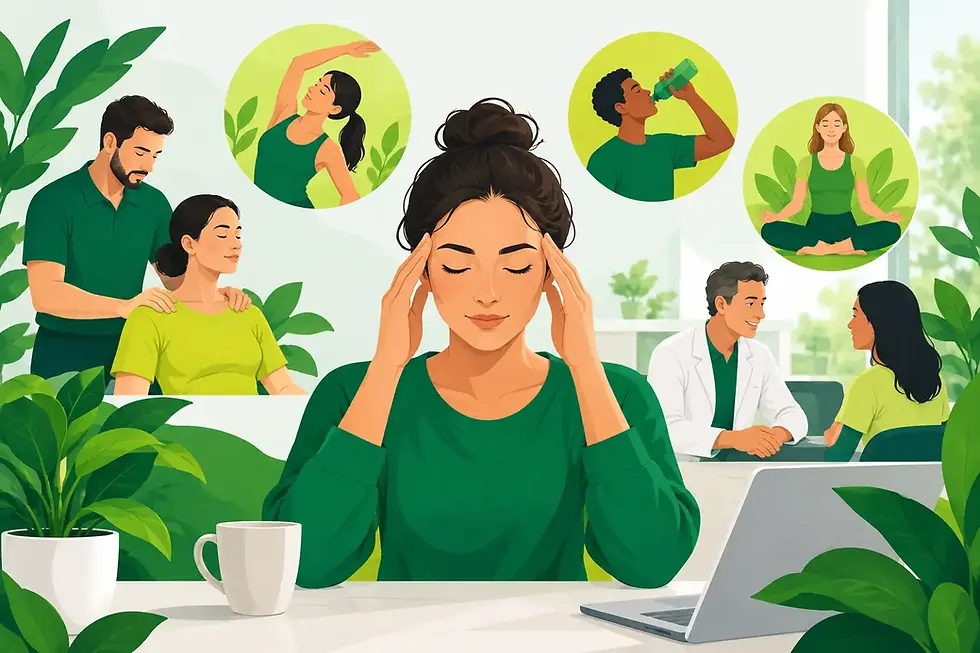
That familiar band of pressure across the forehead, temples or back of the head can make even an ordinary working day feel much harder. If you are wondering how to reduce tension headaches, the most helpful starting point is rarely a single stretch, supplement or painkiller. Lasting relief usually comes from identifying the combination of muscle tension, working habits, stress, sleep and recovery that is keeping the pattern going.
Tension-type headaches are common, particularly for people balancing demanding desk-based work, family life and long periods of concentration. They are usually not a sign that anything is damaged. Instead, they often reflect a nervous system and musculoskeletal system that have had too little variation and recovery. The good news is that these factors are often modifiable.
What does a tension headache feel like?
A tension-type headache is commonly described as a dull, pressing or tightening sensation on both sides of the head. It may feel as though you are wearing a tight hat or headband, and can be accompanied by tenderness in the neck, shoulders, jaw or scalp. Unlike migraine, it does not usually cause severe nausea, vomiting or marked sensitivity to light and sound, although symptoms can overlap.
The label matters less than understanding your personal pattern. For one person, headaches may begin after a long video-call day with the chin held forward. For another, jaw clenching during a stressful week or disrupted sleep may be the main driver. Often, several smaller contributors build up together.
How to reduce tension headaches at the source
Break up static desk positions
Sitting is not inherently harmful, but staying in any one position for hours can increase mechanical tension through the upper back, neck and jaw. Your body generally responds better to frequent changes than to one supposedly perfect posture.
Aim to move briefly and regularly during the day. Stand up while taking a call, walk to refill your water, gently roll the shoulders, or look away from the screen and turn your head comfortably from side to side. A minute or two every 30 to 60 minutes can be more realistic and useful than a long stretching routine you only manage once a week.
Check the basics of your workstation too. Position the top of the screen roughly at eye level, keep the keyboard close enough that you are not reaching forward, and support your forearms where possible. If you work between home and office, consistency matters more than owning expensive equipment. Small adjustments can reduce the sustained load on the neck and shoulders.
Ease neck, shoulder and jaw tension
Tension headaches are not always caused by tight muscles, but muscle sensitivity around the neck and shoulders can contribute to pain. Gentle movement is usually preferable to forceful stretching. Try slow shoulder circles, an easy chin tuck without pushing the head down, and relaxed neck rotations within a comfortable range.
Jaw tension is easily missed. Notice whether your teeth are touching when you are reading emails, driving or concentrating. At rest, the jaw should be relaxed, with the teeth slightly apart and the tongue resting gently against the roof of the mouth. If you wake with jaw soreness, worn teeth, or a partner notices grinding, speak with a dentist as well as considering the wider stress and sleep picture.
Heat can be useful for some people. A warm shower, heat pack or warm compress across the shoulders for 10 to 15 minutes may help settle muscle guarding before gentle movement. If heat makes symptoms worse, do not persist with it - your response is the useful guide.
Treat stress as a physical factor, not a personal failing
Stress does not mean your headache is imagined. It can increase muscle activity, alter breathing patterns, disturb sleep and make the nervous system more sensitive to discomfort. This is why a headache can feel most intense after a pressured week, even if you have not done anything obviously different physically.
Choose a stress-management tool you can actually repeat. That could be a ten-minute walk between work and home, a short breathing practice, writing down the next day’s priorities before bed, or protecting a lunch break away from your desk. The aim is not to eliminate stress completely. It is to give your system regular signals that it can come out of high alert.
If your breathing becomes shallow when you concentrate, pause occasionally to let the ribs expand and take a slower exhale. This is not a cure-all, but it can reduce the sense of bracing through the chest, shoulders and neck.
Support sleep, hydration and regular meals
Poor sleep can lower your pain threshold and make ordinary neck tension feel more intrusive. Keep your wake-up time reasonably consistent where possible, reduce late-night screen work, and consider whether your pillow keeps your neck in a comfortable, neutral position. There is no universally correct pillow height - the right choice depends on your usual sleeping position and body shape.
Dehydration, long gaps between meals and sudden changes in caffeine intake can also trigger or amplify headaches for some people. Regular meals containing protein, fibre-rich carbohydrate and healthy fats can support steadier energy across a busy day. There is no need for restrictive rules or a fashionable elimination diet unless there is a clear clinical reason.
Caffeine is individual. A morning coffee may be perfectly compatible with headache management, while several strong coffees followed by none at the weekend can create a withdrawal headache. Notice your usual pattern before making major changes, and taper gradually if you decide to reduce it.
Use pain relief thoughtfully
Over-the-counter pain relief may help occasional tension headaches when used according to the packet instructions and advice from a pharmacist or GP. However, taking painkillers frequently can itself contribute to medication-overuse headaches. If you need them regularly, or headaches are becoming more frequent, it is worth seeking clinical advice rather than simply increasing the dose or frequency.
A simple headache diary can be valuable here. Note the timing, intensity, sleep, meals, caffeine, screen time, stress levels, menstrual cycle where relevant, exercise and medication used. You do not need to record every detail forever. Even two to four weeks can reveal useful patterns and help a clinician make a clearer assessment.
When hands-on assessment may help
If headaches repeatedly coincide with neck pain, reduced neck movement, shoulder tension or prolonged desk work, a musculoskeletal assessment can be useful. An osteopath can assess how your neck, upper back, shoulders and everyday movement patterns are contributing, then build a plan around hands-on treatment where appropriate, mobility, strength and practical workstation changes.
At Hartwood Health, we take a whole-person view of tension headaches. That means considering biomechanics alongside sleep, workload, stress, activity and the nutritional habits that support recovery. The goal is not to chase a temporary release in one tight area, but to help you move with more comfort and build resilience for the demands of your week.
Treatment should feel collaborative. Some people benefit from hands-on care and targeted exercises; others need a stronger focus on pacing, sleep or jaw management. If symptoms are persistent, we may also recommend speaking with your GP, dentist, optician or another relevant professional to make sure no contributing factor is overlooked.
When a headache needs urgent medical advice
Most tension headaches are not serious, but new or unusual headaches deserve appropriate attention. Seek urgent medical help if you experience a sudden, extremely severe headache that reaches peak intensity quickly, a headache after a significant head injury, or a headache with weakness, numbness, confusion, fainting, seizure, new difficulty speaking, vision loss, fever with a stiff neck, or a rash.
You should also arrange a medical review for headaches that are new after age 50, steadily worsening, changing significantly from your usual pattern, triggered by coughing or exertion, or occurring during pregnancy or after giving birth. Trust your instincts if something feels different or concerning.
A tension headache is often your body asking for a little more variation, recovery and support. Start with one or two manageable changes this week, observe what shifts, and seek individual guidance if the pattern is not settling. Small, consistent adjustments can make a meaningful difference to how your head, neck and whole day feel.
Joined-Up Care for Lasting Physical Freedom
At Hartwood Health, we look beyond the immediate symptom to treat the person attached to it. True physical resilience requires a balance between structural alignment, everyday biomechanics, and systemic health.
Our Osteopathy Team specialises in relieving acute pain and restoring mobility for busy professionals and active adults alike. By working closely alongside our clinical dietitians and other wellbeing practitioners, they provide a truly "joined-up" approach to physical health.
Visit our hands-on clinic in Fleet to start your journey back to comfortable, confident movement.


