A Guide to Chronic Pain Pacing That Works

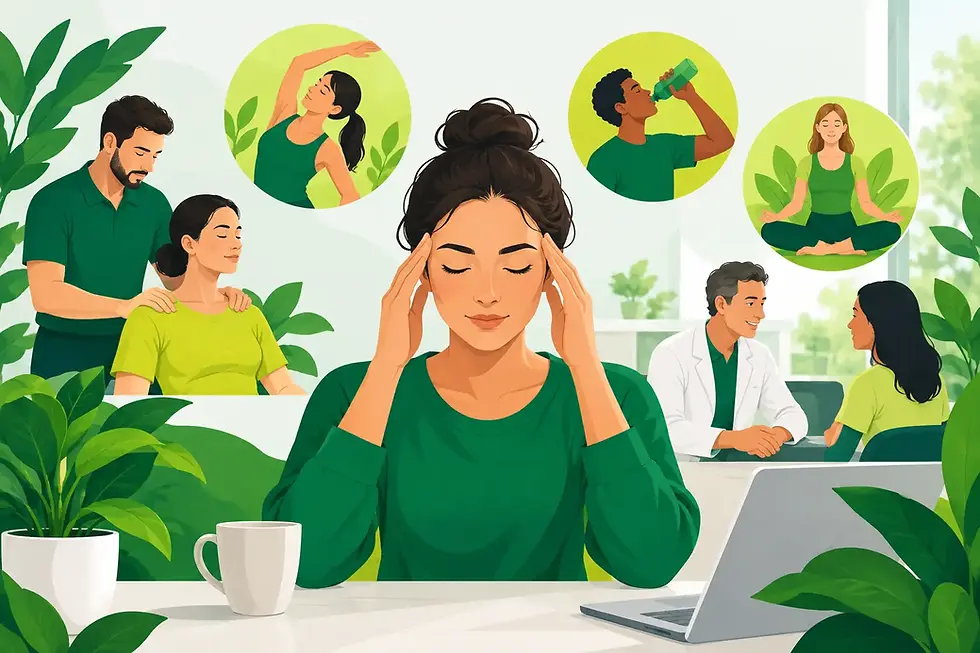
A busy Saturday can feel like a test of character when you live with persistent pain: the supermarket, housework, children’s plans, perhaps a long walk because you finally feel able. Then Sunday, or Monday morning at your desk, brings the familiar payback. This guide to chronic pain pacing is about stepping out of that exhausting cycle without putting your life on hold.
Pacing is a practical approach used in persistent pain management. It helps you balance activity, rest and recovery so that your body has a more predictable workload. It is not about being overly cautious, avoiding movement, or accepting less from life. Done well, it creates a steadier foundation from which you can gradually build confidence, strength and function.
Why chronic pain can lead to a boom-and-bust pattern
Chronic or persistent pain is generally pain that continues beyond the usual period of tissue healing, often for three months or more. It may relate to conditions such as ongoing low back pain, osteoarthritis, recurrent neck pain, sciatica or previous injury. Pain can also be influenced by sleep, stress, work demands, mood, previous experiences and the nervous system’s sensitivity. This does not mean the pain is “all in your head”. It means pain is a whole-body experience, and recovery often needs a whole-person plan.
When symptoms ease, it is completely understandable to catch up on everything that has been waiting. Equally, when pain rises, it is natural to cancel plans and rest until it settles. The difficulty is that repeatedly swinging between overdoing things and doing very little can make your tolerance less predictable. Muscles and joints may become less conditioned, while the nervous system remains on alert for the next flare-up.
Pacing aims to reduce those sharp swings. Instead of letting pain dictate every decision in the moment, you plan activity at a manageable level and progress it in small, considered steps.
A guide to chronic pain pacing in everyday life
The starting point is to find your baseline. This is the amount of an activity you can usually manage without a significant increase in symptoms during the task or the following day. It should be based on an average or more difficult day, not your best day.
For example, if 30 minutes at the computer reliably leaves your neck and shoulders markedly tighter, your current baseline may be 15 or 20 minutes before a brief change of position. If a 20-minute walk triggers a flare later that evening, begin with 10 minutes. If lifting laundry baskets is difficult, consider smaller loads more often. The aim is not to prove what you can tolerate. It is to identify a repeatable starting point.
A short activity and symptom diary can be useful for one or two weeks. Record what you did, for roughly how long, how you felt during it and how you felt later that day and the next morning. Include the less obvious factors too, such as poor sleep, a stressful meeting, a long drive or skipped meals. Patterns often become clearer when we look beyond the single task blamed for a flare-up.
Use time, not pain alone, to guide breaks
Pain is valuable information, but it is not always a precise stopwatch. Waiting until symptoms become severe before taking a break can mean you are already past your current capacity. Time-contingent pacing means planning a change of activity or a short rest before pain escalates.
For desk-based work, this might mean standing, walking to refill your water or doing a few gentle shoulder movements every 25 to 40 minutes. For gardening, it could mean 10 minutes of digging followed by a lighter job such as potting or watering. Breaks do not need to be long or elaborate. Often, two or three minutes of movement and a different posture is enough to interrupt accumulating mechanical tension.
The right interval varies. Someone with acute sensitivity after a flare may need frequent, brief changes. Someone rebuilding fitness after a longstanding back problem may tolerate longer periods. The useful question is: can I finish this activity with some capacity left, rather than needing a full day to recover?
Break bigger jobs into smaller units
Pacing works best when it is specific. “Do less” is rarely helpful advice, particularly for people with work, family and household responsibilities. Instead, divide a demanding task into smaller units and spread them across the day or week.
If cleaning the house usually aggravates back pain, vacuum one floor, then stop or change task. If shopping involves lots of standing and carrying, prepare a list, choose a quieter time, use a trolley and unpack in stages. If you are returning to exercise, begin with a modest amount that you can repeat, rather than one ambitious session followed by several inactive days.
This approach can feel frustrating at first, especially if you are used to getting jobs finished in one go. However, consistency usually produces more progress than occasional heroic efforts. Pacing protects your energy for the things that matter, whether that is collecting the children, concentrating at work, seeing friends or getting back to a favourite activity.
Progress gradually, with room for real life
Once a baseline feels reasonably stable, increase one variable at a time. That could be a few more minutes of walking, one additional set of exercises, or slightly longer at the computer before your movement break. A small weekly increase is often enough. There is no universal percentage that suits everyone, because pain conditions, fitness, medication, sleep and confidence all affect recovery.
It also helps to distinguish between manageable discomfort and a flare that is clearly disproportionate or long-lasting. During rehabilitation, mild symptoms that settle within a predictable window may be acceptable. A sharp rise in pain, new symptoms, or a flare that consistently lasts several days suggests the plan needs adjusting. This is not failure. It is useful feedback.
Plan for busier days too. A family celebration, a work deadline or travel may require you to conserve energy beforehand and schedule lighter activity afterwards. That is strategic pacing, not avoidance. The goal is participation with a recovery plan, rather than either missing out completely or paying for it heavily later.
Rest is useful, but it is not the whole treatment
Rest can calm an irritated area and is often appropriate after a difficult day. Yet prolonged rest may reduce joint and muscle capacity, disturb sleep and make everyday movement feel more threatening. For many persistent musculoskeletal problems, the most helpful balance is regular, tolerable movement alongside planned recovery.
Your movement plan might include walking, mobility work, strengthening or a structured rehabilitation programme. The best choice depends on your symptoms and goals. Someone with recurring tension headaches may benefit from reviewing desk ergonomics, neck and upper-back movement, workload and stress patterns. Someone with persistent lower back pain may need to build hip and trunk strength, confidence with bending and a more varied daily routine.
Sleep, regular meals and hydration can support pacing as well. Pain is often harder to manage when you are overtired, under-fuelled or stressed. For some people, digestive symptoms, menopausal changes or inconsistent blood sugar patterns can further affect energy and resilience. There is no perfect lifestyle routine, but steady basics can make your activity plan easier to sustain.
When professional support can help
Pacing is simple in principle but can be difficult to apply alone, particularly when pain has been present for a long time. An osteopath can assess movement, biomechanics, strength and the activities that matter most to you. Hands-on care may help ease symptoms for some people, but it is most valuable when it sits alongside clear advice, rehabilitation and a realistic plan for returning to normal movement.
At Hartwood Health, we look at the wider picture rather than treating one painful area in isolation. For patients in and around Fleet, this can include face-to-face osteopathic assessment alongside practical guidance on desk setup, exercise progression and daily activity. Where nutrition, energy or digestive health is affecting recovery, collaborative dietetic input may also be appropriate.
Seek urgent medical advice for new or worsening weakness, numbness around the saddle area, loss of bladder or bowel control, unexplained weight loss, fever, severe unremitting night pain, or pain following significant trauma. These symptoms need prompt assessment rather than a self-managed pacing plan.
Pacing is not about shrinking your world to prevent pain. It is a way of giving your body regular evidence that movement can be safe, manageable and worthwhile, one repeatable day at a time.
Joined-Up Care for Lasting Physical Freedom
At Hartwood Health, we look beyond the immediate symptom to treat the person attached to it. True physical resilience requires a balance between structural alignment, everyday biomechanics, and systemic health.
Our Osteopathy Team specialises in relieving acute pain and restoring mobility for busy professionals and active adults alike. By working closely alongside our clinical dietitians and other wellbeing practitioners, they provide a truly "joined-up" approach to physical health.
Visit our hands-on clinic in Fleet to start your journey back to comfortable, confident movement.