
Why Mechanical Lower Back Stiffness Happens
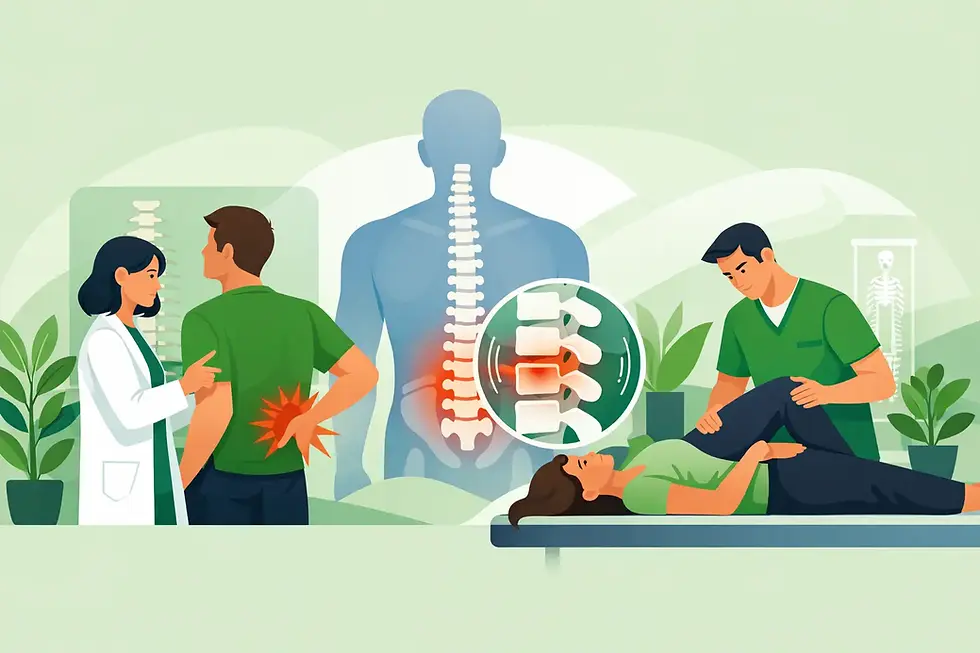
That first bend to put on your socks, the ache after a long drive, or the feeling that it takes ten minutes to straighten up after your desk day can be frustrating. Mechanical lower back stiffness is common, but it is not something you simply need to accept as part of getting older or having a demanding job. In many cases, it reflects how your back is coping with movement, loading, recovery and the routines that fill your week.
The good news is that backs are adaptable. With the right assessment and a realistic plan, we can often reduce stiffness, restore confidence in movement and help you return to the activities that matter to you.
What is mechanical lower back stiffness?
Mechanical means the symptoms are influenced by position, movement or physical load. Your back may feel worse after sitting for a prolonged period, lifting, gardening, exercising more than usual or staying in one position overnight. It may ease as you walk around, change position, use gentle movement or rest briefly.
This does not necessarily mean that anything is “out of place”. The lower back is made up of joints, discs, muscles, ligaments and nerves that work together. Stiffness can develop when these tissues become sensitised, overworked or less tolerant of a particular demand. It is often the body’s protective response rather than evidence of damage.
For example, a deadline-heavy week may mean longer hours at a laptop, fewer walks, poorer sleep and more muscular tension. Add an enthusiastic weekend of DIY or a return to the gym, and the back may protest. The trigger can be physical, but stress, fatigue and recovery all influence how strongly the body experiences discomfort.
Why does lower back stiffness happen?
There is rarely one single cause. A useful way to think about it is a mismatch between what your back is currently used to and what you have asked it to do.
Prolonged positions, not “bad posture”
Sitting is not inherently harmful, and there is no one perfect posture to hold all day. The challenge is often staying still for too long. When you are focused on a meeting or working through emails, it is easy to remain in the same position for an hour or more. Muscles can feel tight, joints may become less comfortable at their end range, and getting up can feel laborious.
A supportive desk set-up can help, particularly if your screen, chair and keyboard encourage you to vary your position comfortably. Yet regular movement breaks are usually more valuable than trying to maintain an artificially upright posture all day.
A sudden change in activity
Lower back stiffness commonly appears after doing more, less, or something different. That could be a long car journey, lifting boxes during a house move, carrying a growing child, a new running programme or a day spent bent over the garden. These activities are not automatically a problem. They can simply exceed your current capacity when introduced too quickly.
The answer is not always to stop. Often, gradual exposure helps the body rebuild tolerance more effectively than avoiding movement altogether. The right pace depends on your symptoms, fitness, work demands and medical history.
Reduced strength and movement variety
Your back does not work in isolation. Hip movement, abdominal and trunk strength, leg capacity, balance and breathing patterns all affect how you distribute load. If the hips are stiff or the trunk is deconditioned, the lower back may have to work harder during everyday tasks such as lifting a shopping bag or getting up from the floor.
This is not a judgement on fitness. Even active people can become stiff when their usual training changes, when they are recovering from illness, or when life leaves little time for exercise. A focused rehabilitation plan can be more useful than a generic workout because it addresses the movements that currently feel difficult.
Stress, sleep and recovery
The nervous system influences pain and muscle tension. When sleep is disrupted, work is pressured or you are carrying a great deal emotionally, the body can become more protective. That may show up as a back that feels guarded on waking, even without a clear injury.
This does not mean the symptoms are imagined. It means recovery needs to consider the whole picture. Gentle activity, better pacing, sleep support and practical ways to reduce stress can sit alongside hands-on treatment and exercise.
What you can do when your back feels stiff
If your pain is mild to moderate and there are no warning signs, aim for calm, regular movement rather than complete rest. A short walk, changing position frequently and returning gradually to normal tasks can prevent the cycle of stiffness and avoidance.
Try breaking up desk time before discomfort builds. Standing for a phone call, walking while you think through an email, or taking two minutes to move between meetings can make a genuine difference. You do not need an elaborate routine. Consistency matters more than intensity.
Gentle movements can also be helpful. Pelvic tilts, knee-to-chest movements, a comfortable cat-cow motion, or a short walk are sensible options if they feel relieving. Keep the range easy and avoid pushing through sharp or escalating pain. Heat may soothe muscular tightness for some people, although it is a comfort measure rather than a cure.
It is usually sensible to keep doing what you can, with small adjustments. If bending to load the dishwasher is uncomfortable, slow the movement, use a split stance, keep the item close to you and avoid turning while carrying weight. As symptoms settle, build those tasks back up rather than treating your back as fragile.
When stiffness needs a clinical assessment
An assessment is worthwhile if symptoms keep returning, have not improved after a few weeks, affect sleep or work, or are making you avoid activities you normally enjoy. It is especially useful when you are unsure whether the issue is muscular, joint-related, nerve-related or connected to another part of the body.
An osteopath can assess how your lower back, hips and surrounding tissues move, while considering your activity levels, work set-up, previous injuries and health history. Treatment may include hands-on techniques to improve comfort and movement, alongside tailored rehabilitation and advice on pacing. The aim is not a temporary fix, but a plan that helps your back become more capable in daily life.
At Hartwood Health, our osteopathy appointments in Fleet take this whole-person approach. If lifestyle pressures, sleep, activity patterns or broader health factors are affecting recovery, those details belong in the conversation too.
When to seek urgent medical advice
Most mechanical back stiffness is not serious, but certain symptoms need prompt medical assessment. Seek urgent help if you develop new difficulty controlling your bladder or bowels, numbness around the genitals or buttocks, significant or worsening weakness in a leg, or severe pain following a major accident.
You should also speak to a GP promptly if back pain comes with fever, unexplained weight loss, a history of cancer, feeling generally unwell, or pain that is severe and unchanging at rest or through the night. These features do not automatically indicate a serious problem, but they deserve appropriate investigation.
Building a more resilient back
Lasting improvement usually comes from making your back more adaptable, not from finding one perfect stretch. That may mean gradually increasing walking, rebuilding strength through comfortable hip and trunk exercises, improving your lifting confidence and allowing enough recovery around busy periods. For some people, it also means recognising that a packed diary and poor sleep have physical consequences.
Mechanical lower back stiffness can be a useful prompt to check how your body is managing the demands placed on it. Start small, stay curious about patterns rather than blaming yourself, and seek personalised support if the problem is holding you back. A back that feels stiff today can often become a back you trust again.
Joined-Up Care for Lasting Physical Freedom
At Hartwood Health, we look beyond the immediate symptom to treat the person attached to it. True physical resilience requires a balance between structural alignment, everyday biomechanics, and systemic health.
Our Osteopathy Team specialises in relieving acute pain and restoring mobility for busy professionals and active adults alike. By working closely alongside our clinical dietitians and other wellbeing practitioners, they provide a truly "joined-up" approach to physical health.
Visit our hands-on clinic in Fleet to start your journey back to comfortable, confident movement.


Comments