
Osteopathy vs Massage for Back and Neck Pain
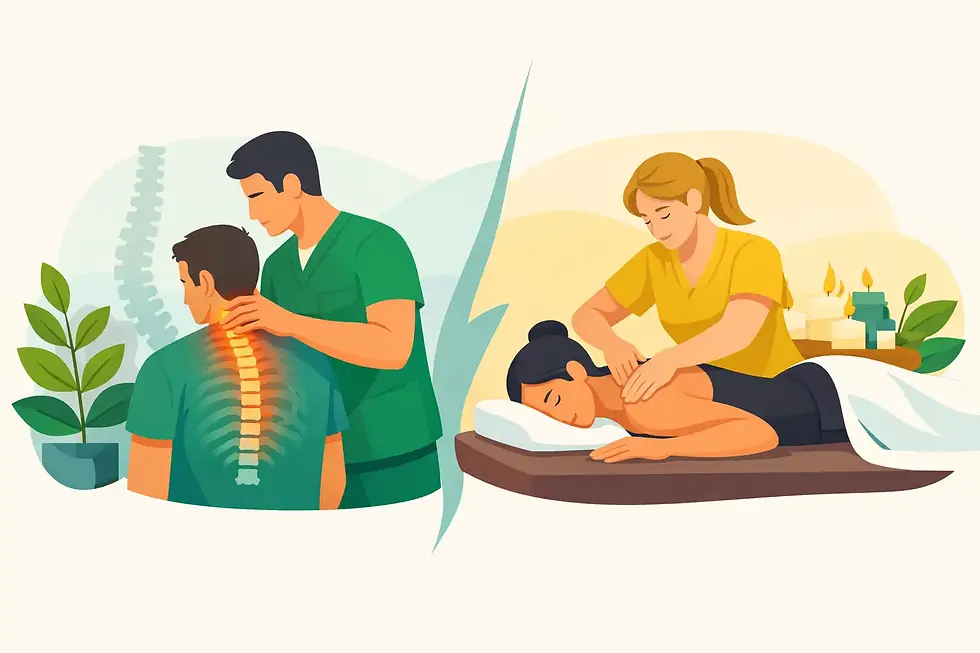
A tight neck after a week of video calls, a lower back that protests on the drive home, or a calf that will not settle after running can all raise the same question: osteopathy vs massage - which is the better choice? Both can be valuable forms of hands-on care, but they have different starting points, goals and treatment styles.
The most useful answer is rarely about which treatment is “best”. It is about what is driving your symptoms, what you need to return to doing, and whether you would benefit from a broader clinical assessment alongside hands-on treatment.
Osteopathy vs massage: the key difference
Massage is generally centred on the soft tissues: muscles, tendons and the fascia around them. Depending on the practitioner and type of massage, the aim may be relaxation, relief from muscle soreness, support around exercise, or easing a feeling of tension. It can be particularly welcome when you feel physically wound up, achy or fatigued.
Osteopathy is a regulated healthcare profession in the UK that assesses and treats musculoskeletal symptoms. An osteopath considers how your joints, muscles, nerves and movement patterns are working together. We look beyond the area that hurts. For example, recurrent shoulder tension may relate to how you use your upper back and neck at a desk, your sleep position, a previous injury, training load, stress, or a combination of factors.
An osteopathic appointment therefore usually begins with a detailed conversation and physical assessment. Your osteopath will ask about the nature of the problem, your general health, work, activity and relevant medical history. They will assess movement and, where appropriate, use hands-on techniques such as soft-tissue work, joint mobilisation and gentle stretching. Treatment is commonly combined with advice and rehabilitation exercises designed to make movement feel easier and more confident between appointments.
There is overlap. Many osteopaths use massage-based soft-tissue techniques as part of treatment, and massage therapists may offer useful support for muscular discomfort. The difference is that osteopathy is typically structured around clinical assessment, a working diagnosis and a plan for restoring function.
When massage may be a good fit
Massage can be a sensible choice when your main goal is to relax, recover after activity, or ease general muscular tightness without a significant injury or persistent functional problem. A session may help you feel more comfortable after a demanding period at work, a long journey, or an unusually tough training block.
For some people, its greatest benefit is simply creating time to slow down. Stress can increase muscle guarding and make ordinary aches feel more intrusive. A calm, appropriately tailored massage may help reduce that sense of physical overload, improve short-term comfort and support better sleep.
It is worth being clear about expectations. If the cause of a symptom is repetitive desk strain, an abrupt jump in running mileage or poor recovery, massage alone may provide relief without changing the pattern that keeps bringing the issue back. That does not make it unhelpful. It may be one part of a wider plan, particularly alongside changes to training, workstation habits or movement routines.
When osteopathy may be more appropriate
Osteopathy is often a better starting point when pain is limiting your day-to-day life, has persisted or keeps returning, or you are unsure why it started. This includes mechanical back or neck pain, sciatica-like symptoms, tension headaches, sports injuries and pain affecting a peripheral joint such as the shoulder, hip, knee, ankle or wrist.
Consider the desk-bound professional with recurring headaches and a stiff neck. The painful area may need hands-on treatment, but an osteopathic assessment can also examine neck and upper-back movement, shoulder mechanics, work set-up, exercise habits and the pace of a stressful working week. We can then build a realistic plan around the life you actually lead rather than asking you to follow an idealised routine.
The same applies to lower back pain. A sore back does not necessarily mean something is damaged or “out of place”. Backs are adaptable structures, but they can become sensitive after long periods of sitting, reduced movement, lifting, disrupted sleep, stress, an injury or a sudden change in activity. Osteopathy aims to understand the relevant contributors, relieve symptoms where possible and progressively restore comfortable movement and strength.
You may also prefer osteopathy if you want clear guidance on what to do between sessions. A good plan should be practical: perhaps a few targeted exercises, advice on pacing a return to sport, adjustments to a workstation, or strategies for breaking up prolonged sitting. The aim is not to make you dependent on treatment. It is to help you build confidence in your body again.
What happens at an osteopathy appointment?
Your first appointment should not feel rushed. We begin by listening: when did the symptoms begin, what makes them better or worse, how are they affecting work, sleep, family life and activity, and what have you already tried? Your osteopath will also ask about previous injuries, medication and broader health factors that may influence your care.
The examination may involve observing posture and movement, testing joint range, assessing strength or relevant neurological signs, and gently feeling the affected area. You can ask questions throughout, and treatment should always be explained and based on your consent.
From there, your plan may include hands-on therapy, movement advice and rehabilitation. The exact approach depends on your presentation. Some people need a short period of symptom relief before they can comfortably build activity; others are ready to focus on progressive strengthening from the outset. We review your response and adapt the plan rather than applying the same treatment to everyone.
Qualifications, safety and clinical judgement
When comparing osteopathy vs massage, professional regulation is one practical difference. In the UK, osteopaths must be registered with the General Osteopathic Council to use the title osteopath. They train in anatomy, physiology, pathology, clinical examination and hands-on care, with a focus on recognising when treatment is appropriate and when another health professional should be involved.
Massage training can range considerably depending on the type of massage and provider. That does not mean massage cannot be delivered skilfully or safely, but it is sensible to ask about a practitioner’s qualifications, experience with your concern and how they adapt treatment for injuries or health conditions.
A responsible practitioner will also know when not to treat. Seek urgent medical help for symptoms such as severe or rapidly worsening weakness, numbness around the saddle area, changes to bladder or bowel control, unexplained weight loss, fever with severe back pain, chest pain, or pain after significant trauma. These symptoms need prompt medical assessment rather than hands-on treatment.
For less urgent concerns, persistent pain, pain that wakes you consistently at night, unexplained swelling, or symptoms that are not improving deserve a proper assessment. Reassurance is helpful, but it should be grounded in careful clinical reasoning.
Choosing based on your goal, not the label
If you mainly want a restorative session for general tightness or post-exercise soreness, massage may meet your needs very well. If you have a specific pain problem, recurring symptoms, altered movement or uncertainty about what is going on, an osteopathic assessment is likely to give you a clearer route forward.
There are situations where both can sit comfortably within the same wider approach. Someone returning to training after a calf strain, for instance, may benefit from osteopathic assessment and rehabilitation to guide loading, while occasional massage supports comfort and recovery. The order and emphasis depend on symptoms, goals and how your body responds.
At Hartwood Health, our approach to osteopathy is grounded in this bigger picture. Mechanical pain is rarely separate from sleep, stress, activity, work demands and general health. Where relevant, joined-up support can also consider the role of nutrition in energy, recovery and long-term resilience, without losing sight of the immediate problem you want help with.
The right treatment should leave you feeling heard, informed and more able to take the next step - whether that is getting through a workday without guarding your back, returning to the gym, or simply moving with less worry.
Joined-Up Care for Lasting Physical Freedom
At Hartwood Health, we look beyond the immediate symptom to treat the person attached to it. True physical resilience requires a balance between structural alignment, everyday biomechanics, and systemic health.
Our Osteopathy Team specialises in relieving acute pain and restoring mobility for busy professionals and active adults alike. By working closely alongside our clinical dietitians and other wellbeing practitioners, they provide a truly "joined-up" approach to physical health.
Visit our hands-on clinic in Fleet to start your journey back to comfortable, confident movement.


