Osteopath Versus Painkillers for Back Pain

A stiff lower back after a long week at the desk can make a packet of tablets feel like the quickest answer. Yet the choice of an osteopath versus painkillers is rarely as simple as choosing one and rejecting the other. They do different jobs, carry different considerations, and may sometimes form part of the same sensible recovery plan.
For many people, the real goal is not simply getting through the next meeting or school run with less discomfort. It is returning to comfortable, confident movement and reducing the likelihood that the same problem keeps interrupting daily life.
Osteopath versus painkillers: the key difference
Painkillers aim to reduce the experience of pain. Depending on the medicine, they may also reduce inflammation. This can be useful when pain is making it difficult to sleep, move around or begin gentle activity.
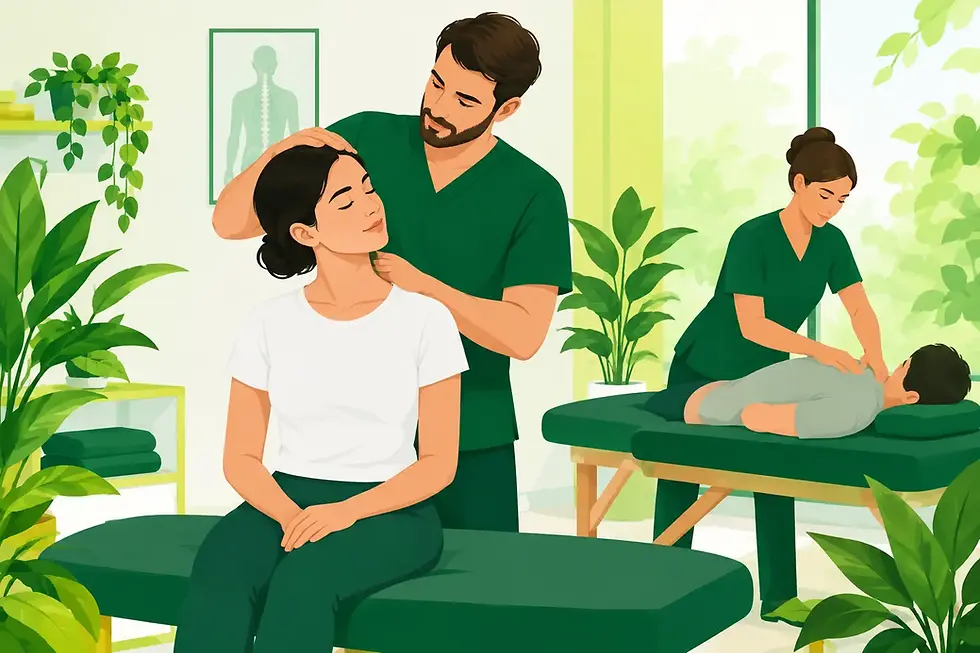
Osteopathy takes a different route. An osteopath assesses how your symptoms relate to movement, joints, muscles, previous injuries, work set-up, activity levels and the wider demands on your body. Treatment may include hands-on techniques, movement advice and rehabilitation exercises designed to improve comfort and function.
Neither approach can promise a universal fix. Back pain, neck pain and sciatica are descriptions of symptoms, not single conditions. The right plan depends on the cause, how long symptoms have been present, your medical history and what you need to get back to doing.
What painkillers can and cannot do
Pain medicine can have a valuable place in short-term pain management. If acute back pain is stopping you from changing position, walking normally or sleeping, appropriate medication may help create enough breathing space to stay gently mobile. That matters because complete bed rest can often prolong stiffness and reduce confidence in movement.
However, pain relief is not the same as addressing the factors contributing to pain. If your neck becomes sore after hours of laptop work, tablets may reduce the immediate ache, but they will not change the prolonged static posture, muscle tension, screen height or lack of movement breaks that may be feeding the problem.
Different painkillers have different risks. Anti-inflammatory medicines, often called NSAIDs, are not suitable for everyone and can affect the stomach, kidneys, blood pressure and heart health. They may also interact with other medicines. Paracetamol is commonly used, but it must be taken within the stated dose and may not be effective for every type of musculoskeletal pain. Stronger prescription medicines can be appropriate in selected circumstances, yet may cause drowsiness, constipation, dependence or other side effects.
This does not mean you should avoid medication automatically. It means the decision should be individual. A pharmacist, GP or prescribing clinician can advise on what is safe alongside your health conditions and current medicines. Never exceed the recommended dose or combine products without checking the ingredients.
What an osteopathy appointment focuses on
At Hartwood Health, osteopathic care begins with listening carefully. We want to understand when your pain started, what changes it, what your work and exercise week looks like, and whether there are signs that point to a different medical pathway.
We then assess movement, posture, muscle and joint function, and the way the affected area works with the rest of the body. A sore shoulder, for example, may be influenced by local tendon irritation, but also by upper-back stiffness, desk mechanics, training load or poor sleep. This is not about declaring that your body is “out of alignment”. Bodies are adaptable. It is about identifying mechanical tension and restoring easier, more confident movement.
Hands-on treatment may help reduce muscle guarding and improve mobility for some people. But treatment is most useful when it sits within a broader plan. That may include practical changes to your workstation, pacing advice, specific exercises, a gradual return to sport or strategies for lifting and carrying without repeatedly aggravating symptoms.
The evidence for hands-on therapy in non-specific low back pain supports it as one possible part of care, particularly when combined with exercise, education and self-management. It is not a replacement for medical assessment where that is needed, and it should not make you dependent on frequent treatment. The aim is to give you useful support while building your own capacity.
Pain relief can make rehabilitation possible
The most productive question is often not “Which is better?” but “What will help me move forwards safely today?” A short course of suitable pain relief may make it easier to walk, sleep and start the exercises that support recovery. Osteopathic assessment and treatment may then help clarify why a problem persists and give you a more tailored route back to normal activity.
For someone with a sudden flare of lower-back pain, this could mean speaking with a pharmacist or GP about safe short-term medicine, while using gentle movement rather than staying on the sofa for days. If symptoms are not settling, an osteopathy appointment can assess mechanics, guide activity and build a plan around work, family life and fitness.
For a desk-bound professional with recurring tension headaches and neck stiffness, the emphasis may be different. Medication may occasionally ease a difficult day, but addressing sustained postural tension, screen position, stress, movement habits and neck strength is more likely to support lasting change.
When medication needs medical oversight
Self-treating recurring pain for weeks or months can mask a problem that deserves proper assessment. If you are regularly relying on painkillers to get through ordinary tasks, waking at night with pain, or finding that your symptoms are becoming more limiting, seek advice from a clinician.
Some symptoms need urgent medical attention rather than an osteopathy appointment. This includes new difficulty controlling your bladder or bowels, numbness around the groin or inner thighs, significant or worsening leg weakness, unexplained weight loss, fever or feeling generally unwell alongside back pain, pain after a serious accident, or severe pain that is rapidly escalating. Chest pain, sudden breathlessness, or pain with other concerning symptoms also requires urgent assessment.
Sciatica deserves thoughtful assessment too. Pain travelling from the lower back into the buttock, leg or foot can be very uncomfortable, but it often improves with the right guidance. New weakness, progressive numbness or the red flags above should be assessed promptly.
Think beyond the painful area
Persistent pain is rarely purely structural or purely emotional. Sleep, stress, workload, confidence in movement, previous injury, physical conditioning and general health can all influence the sensitivity of the nervous system and the pace of recovery. This is not to suggest pain is imagined. It is an acknowledgement that pain is a whole-person experience.
A joined-up approach can be especially helpful where pain overlaps with other concerns. Poor sleep and high stress can increase muscle tension and reduce recovery. Digestive symptoms may alter food choices, energy and exercise habits. Weight changes can affect joint loading, although no one should be blamed for pain because of their body size. Small, realistic changes often work better than a strict or overwhelming plan.
You may not need to stop every activity that brings discomfort. In many cases, carefully graded movement helps rebuild tolerance. An osteopath can help distinguish between understandable, manageable symptoms during recovery and signs that an activity needs adjusting.
Choosing the right next step
If pain is new, mild and clearly linked to a temporary strain, gentle movement, heat if it feels helpful and advice from a pharmacist may be enough. If pain persists, repeatedly returns or affects the way you work, sleep, exercise or care for your family, an assessment can give you more than short-term symptom control.
Medication may be one tool. Osteopathy may be another. The best plan is the one that respects your medical safety, gives you realistic relief and helps you regain trust in your body. You do not have to simply push through pain or settle for managing it one packet at a time.
Joined-Up Care for Lasting Physical Freedom
At Hartwood Health, we look beyond the immediate symptom to treat the person attached to it. True physical resilience requires a balance between structural alignment, everyday biomechanics, and systemic health.
Our Osteopathy Team specialises in relieving acute pain and restoring mobility for busy professionals and active adults alike. By working closely alongside our clinical dietitians and other wellbeing practitioners, they provide a truly "joined-up" approach to physical health.
Visit our hands-on clinic in Fleet to start your journey back to comfortable, confident movement.